
Summary
Interface improvements have made wallets easier to use and less likely to drive people away.
For people outside the crypto industry, the idea of replacing a bank account with a digital wallet can still sound far-fetched. Most assume that shift is years away, if it happens at all. That assumption is becoming outdated. Digital wallets have improved quickly over the past few years.
They are easier to use, easier to fund and increasingly connected to real financial activity. At the same time, crypto infrastructure (especially stablecoins, which are digital tokens designed to hold a steady value, often tied to the U.S. dollar) is quietly becoming part of how money moves around the world.
Digital wallets are no longer niche tools for traders and hobbyists. For a growing number of people, they are becoming a real alternative to a bank account. Today’s Digital Wallets Are Much More Approachable The early generation of crypto wallets did little to inspire mainstream trust.
They were often built by engineers, for engineers. Users were asked to manage long recovery phrases, understand unfamiliar networks and navigate interfaces full of jargon. One wrong click could mean a failed transaction or, in the worst cases, a permanent loss of funds. That is not a product most consumers would ever choose over a bank.
Today’s wallets look very different. Many now resemble modern financial apps, with simple dashboards, clear balances and familiar buttons such as “send,” “receive” and “pay.” Users do not need to understand how blockchain works to move money, just as they do not need to understand card-network settlement to use a debit card.
The experience is cleaner, more guided and far less intimidating. Technology becomes mainstream when it stops demanding that ordinary people think like specialists. Through better design, digital wallets have finally started to cross that threshold. They are becoming legible to normal users.
Signing Up Is No Longer a Hassle These interface improvements have made wallets easier to use and less likely to drive people away. But historically, crypto’s bigger problem has been getting new users to try them in the first place. For years, the process of creating and funding a wallet was far more complicated than it needed to be.
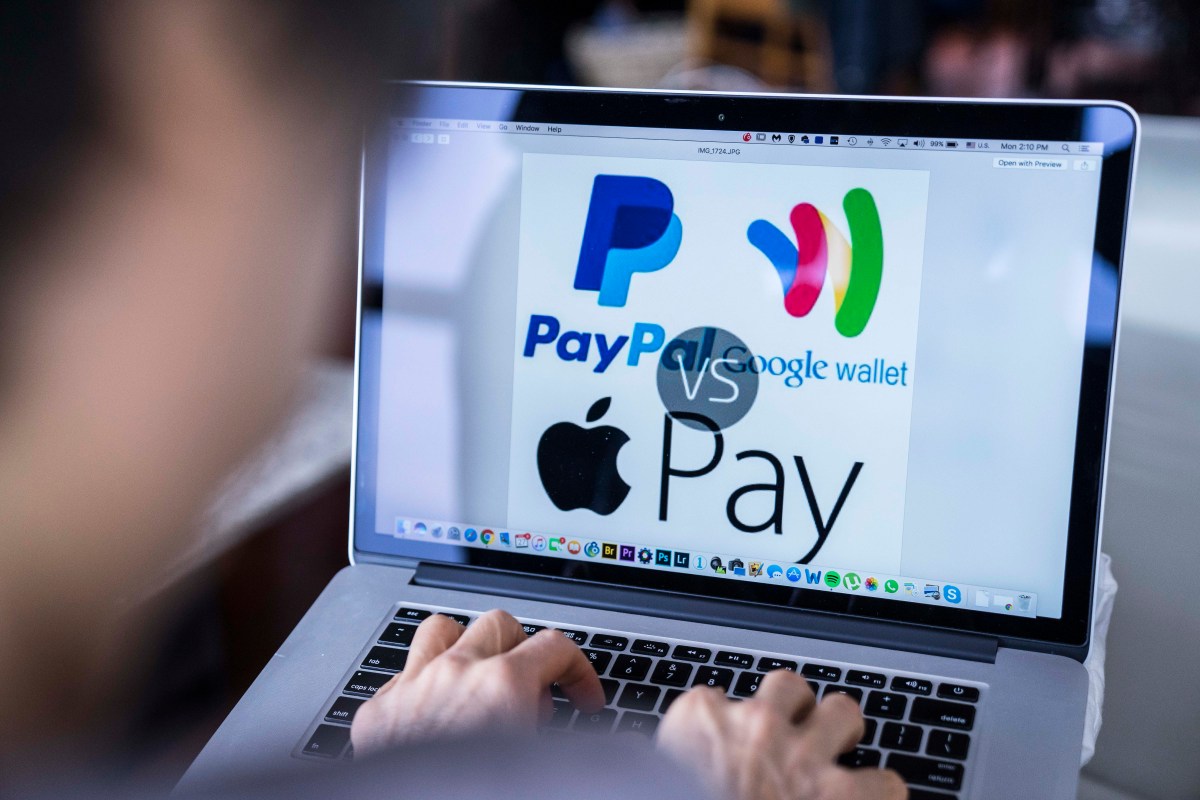
New users often had to open an exchange account, wait for approval, move funds between services and learn a whole new set of terms before they could get started. That process has changed sharply. Today, many wallets let users buy crypto or stablecoins directly inside the app using a debit card, credit card, Apple Pay, Google Pay or bank transfer.
Identity verification and compliance checks, once clunky and inconsistent, increasingly resemble the onboarding flows people already know from digital banks and payment apps. In many cases, a user can set up and fund a wallet in minutes. Sometimes it is faster than opening a traditional bank account.
Other times, the process is so seamless that a user may not realize they are using a wallet at all. Wallet functionality is increasingly embedded into products people already use in gaming, financial technology, commerce and social platforms. In those cases, the user may not even realize they are interacting with blockchain infrastructure.
Source
Original coverage by Newsweek.
Use the button below to read the article on the publisher website.
Read on Newsweek