
Summary
Europeans could soon carry ID cards, driving licences and official documents on their phones under new EU digital wallet plans.
People across Europe could soon stop reaching for their physical ID card or driving licence every time they need to prove who they are. Under new European Union plans, citizens are expected to be able to store official documents directly on their mobile phones from 2027 through a new digital identity system known as the EUDI Wallet.
The project would allow people to keep documents such as national ID cards, driving licences and other verified credentials inside an official app recognised across EU countries. The idea is already attracting attention because it could completely change how millions of people handle everyday administrative tasks, both online and in person.
From signing documents to dealing with public services abroad, the EU says the goal is to make identification simpler across Europe without removing physical documents entirely. For now, wallets full of cards and paperwork are not disappearing overnight. But Brussels is clearly preparing for a future where much of that could live inside a smartphone instead.
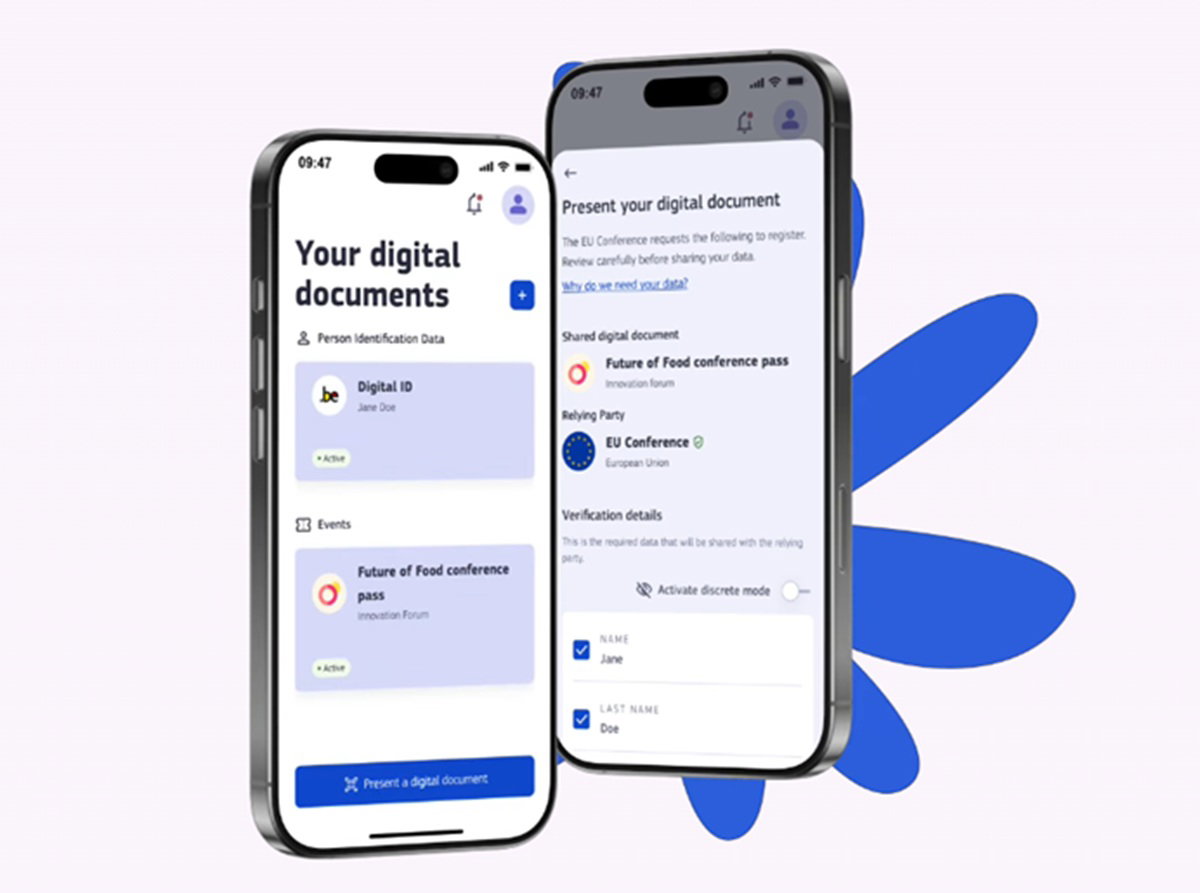
What the new EU digital wallet will actually do The new system is called the European Digital Identity Wallet, often shortened to EUDI Wallet. In practical terms, it will work in a similar way to existing digital wallets people already use for bank cards or boarding passes. But instead of storing payment methods, the app will hold official government verified documents issued by national authorities.
That means citizens could potentially use their phone to show a driving licence, prove their identity or complete administrative procedures without carrying physical paperwork. The European Union says each member state will have to provide at least one official digital wallet application for its citizens.
The aim is not to abolish physical documents. People will still be able to use traditional ID cards and licences if they want to. But the digital version is expected to become an accepted alternative for many services. For many people, the biggest change may come when travelling or dealing with bureaucracy abroad.
At the moment, administrative systems often stop at national borders. Someone living in Spain, for example, may still have to create separate accounts or repeatedly upload documents when trying to access services in another EU country. The EUDI Wallet is designed to avoid that problem.
According to the EU’s plans, a citizen would be able to use their nationally issued digital identity across other member states without needing to register all over again. That could eventually affect everything from university applications and banking procedures to hotel check ins and interactions with local administrations abroad.
Why Europe wants to move official documents on phones The project reflects how much daily life has already shifted online in recent years. Tax declarations, medical appointments, banking services and government paperwork are increasingly handled digitally. Many countries already store large amounts of citizens’ personal data electronically through official state platforms.
European authorities believe a shared digital identity system could simplify access to services while reducing paperwork and making cross border procedures less frustrating. Supporters of the project also argue it could give users more control over what personal information they share.
Source
Original coverage by Euro Weekly News.
Use the button below to read the article on the publisher website.
Read on Euro Weekly NewsRelated to this article