
FedNow Growth Brings Fraud Risks
The US instant payment infrastructure FedNow now connects more than 1,800 financial institutions as of July 2026, according to industry data. This expansion has attracted increased fraud activity, with many businesses experiencing attempted or successful attacks.
Financial institutions continue to struggle with payments fraud despite growing interest in artificial intelligence. Adoption of AI-powered fraud detection and mitigation tools remains relatively low across the sector.
A new wave of AI agents capable of making autonomous decisions on behalf of users is transforming transactions from purely human-driven to agent-mediated processes. Banks must prepare to serve these digital "customers" that operate around the clock and expect constant system availability.
Legacy Systems Slow Innovation
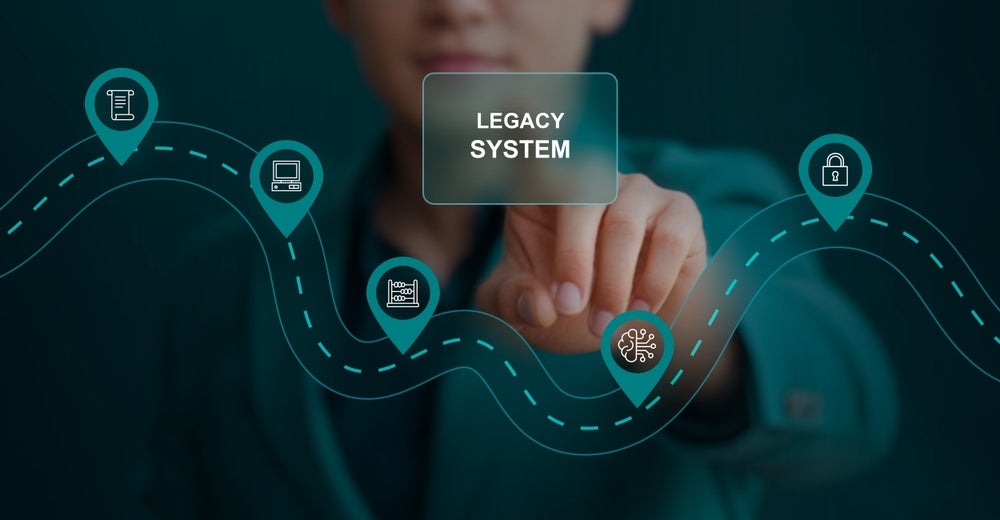
Banks face a competitive opportunity by serving both human customers and their digital agents safely and in real time. The current landscape of fragmented systems and layered integrations was designed for a slower, human-paced environment.
Launching new capabilities or services often takes longer than anticipated because they must be threaded around existing systems. These legacy architectures also create additional cybersecurity and compliance exposure for institutions.
Modernising the legacy estate is shifting from an IT priority to a business imperative as customer expectations for faster, more seamless payments continue to rise.
AI Accelerates Modernisation
Artificial intelligence can interpret decades-old programmes and map the interconnections between systems, providing value even before any code is rewritten. This capability limits modernisation risk and allows banks to approach updates in smaller, verifiable steps that qualified engineers can approve.
More than a third of banks surveyed in the Infosys Bank Tech Index expect AI to speed up legacy modernisation and code migration. A similar proportion anticipate AI will personalise and improve customer experience.
Banks must evolve fragmented systems into modern, connected foundations that enable AI to enhance customer experience seamlessly. The quality of the foundation directly determines how much AI can deliver.
Preparing for Agent-Mediated Payments
Agent-mediated payments require a careful balance. AI operates in probabilities while payments demand exactness and finality. The solution is maintaining payment rails in the predictable realm while layering AI above them.
This approach allows banks to personalise customer experience by interpreting intent and deciding whether payments should proceed, all while maintaining clear audit trails for customers and regulators.
The FedNow Service has raised its transaction limit from $1 million to $10 million and is piloting a tool that lets sending banks verify receiving accounts before funds move. Banks prioritising features aligned to customer needs are positioned to lead the market.
Building for the Next Decade
Effective modernisation efforts start with data. More than 98 percent of payment instructions now use the ISO 20022 messaging standard, providing richer data than ever before. This enables sharper fraud checks and more personalised service workflows.
Banks should build for emerging risks like quantum computers. Testing of quantum-safe encryption on payment systems by several central banks revealed that numerous components required modification. Security design in modernisation efforts should be upgradable without complete rebuilds.
The workforce must be prepared for AI capabilities. Employees proficient in using AI across multiple use cases are significantly more likely to be highly productive and identify opportunities for process improvement and innovation.
Trust as Foundation
Seamless payments are built on a foundation of trust. As money moves faster with less human intervention, trust becomes more critical than ever.
Banks that adopt AI quickly while focusing on intentional modernisation will serve both people and their agents with equal efficiency and earn their trust in the process.
Source
Original coverage by Electronic Payments International.
Use the button below to read the article on the publisher website.
Read on Electronic Payments InternationalSusiję su šiuo straipsniu